Most of the characters that inhabit Mykel’s life in the radio business were either modeled after someone I worked with or are a composite of people I have worked with in the radio industry. The two exceptions would be Saul Ketner, Mykel’s boss, who had been an actor during the Golden Age of Radio. He is sort of the “ideal” radio boss mixed with a prominent Lebanon, Missouri business man, who my father worked for, they he admired greatly. Then, there in Mathew Gilstrap a.k.a Matt Moonlight.
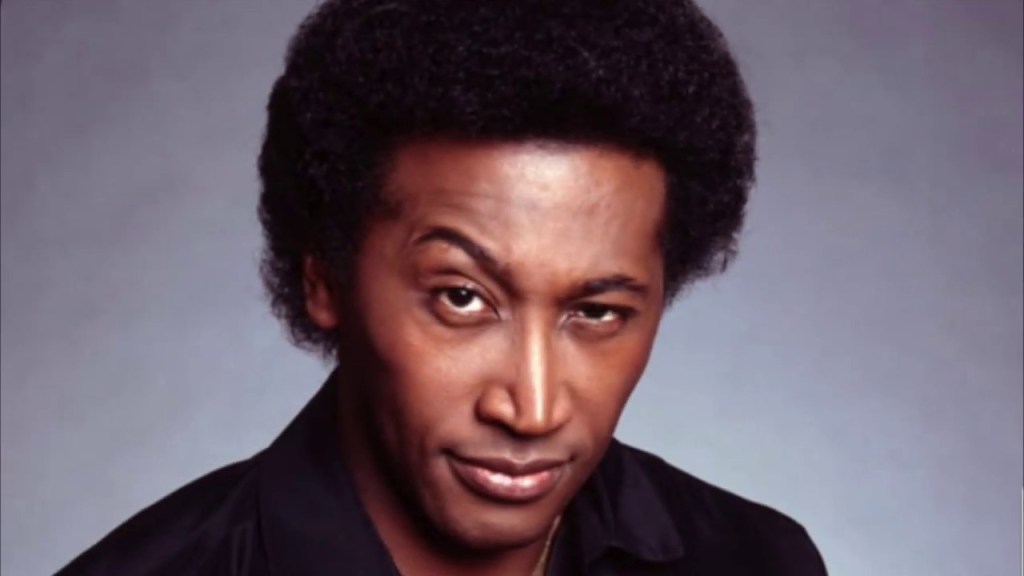
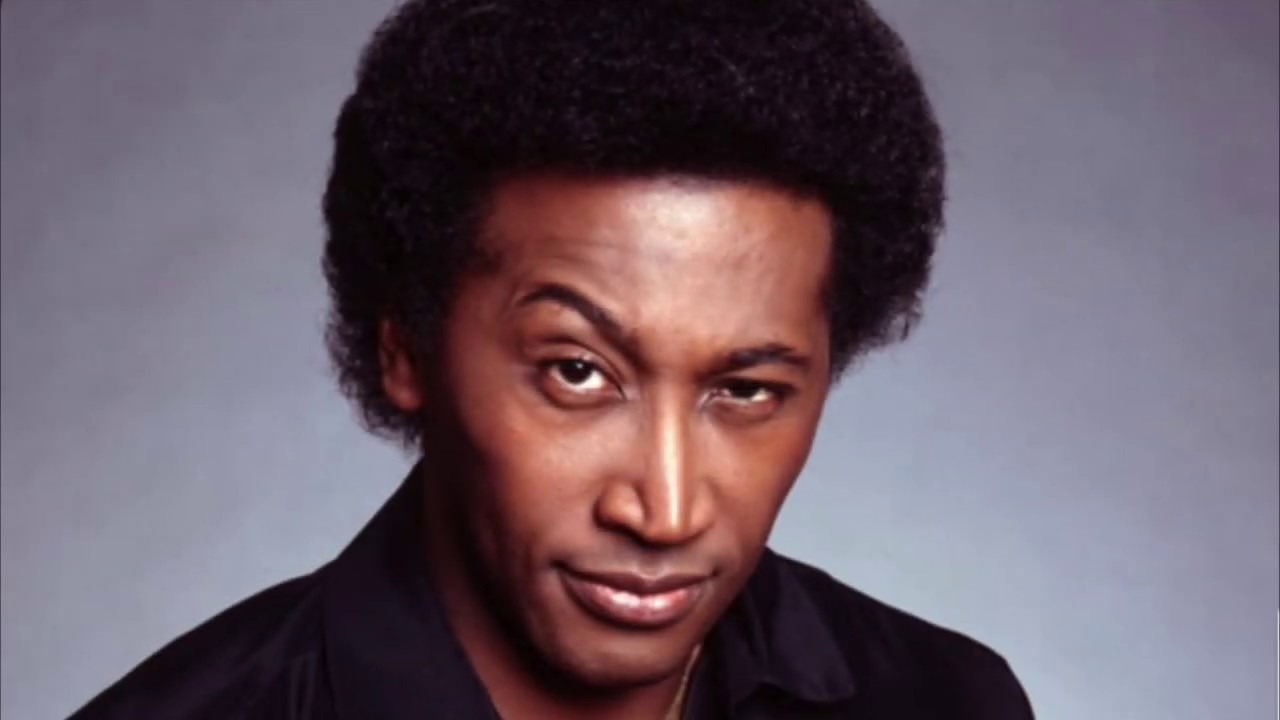
Matt Moonlight is a mixture of three nationally know DJs of the past. First is Frankie Crocker, a New York DJ. He is credited with coming up with the phrase “Urban Contemporary.” People of my generation will recognize him as the host of NBC’s Friday Night Videos. He is also rumored to be the inspiration for Venus Flytrap on the sitcom WKRP in Cincinnati. Frankie Crocker passed away in 2000. You can hear Frankie Crocker on WMCA in New York here.

Another famous DJ that inspired Matt Moonlight’s on-air delivery and the promotion of him as a “mystery man” was Alan Almond. Like Matt Moonlight, Alan Almond only issued a blank silhouette for publicity (seen above). It is said that he had a succession of bad publicity photos, so he told the radio stations to only use a silhouette to represent him in station publicity. Alan Almond worked in Detroit doing a nighttime show called Pillow Talk, playing love songs with a smooth, low voice, romantic patter that included segments called “Make a Wish on a Star” & his “Hello to the New Babies.” For a while, his show was syndicated to compete with Love Songs with Delilah. The radio station I worked for had been a Delilah affiliate, but lost it when Clear Channel (which owned her show) bought one of our rivals in town. We tried to replace Delilah with Alan Almond’s Pillow Talk. I liked Alan Almond’s show, because he played better music & he had a hip, sexy patter. He also had this closing routine that he did, where proclaimed it to be ‘the Witching Hour,” then he rattled off “I Love You” in several different languages, while “Summer Madness” by Kool & the Gang played in the background. I always found Delilah annoying & preachy. Of course, Ozarkers like preachy people & hate hip people. Listeners complained that Almond sounded like “an obscene phone caller” & they were “creeped out” not knowing what he looked like. Radio listeners in Springfield & the Ozarks are whiners. So, our radio station quit running Pillow Talk. Alan Almond passed away in 2015 (one website used a photo of British radio personality Alan Partridge with his obit). You can hear Alan Almond on WNIC in Detroit.
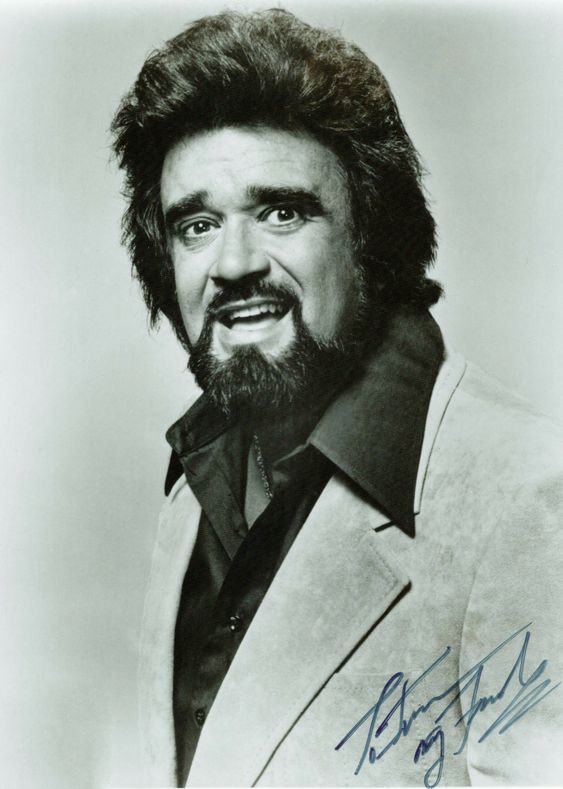
Last but not least, part of Matt Moonlight’s mystery man persona was modeled after the one & only Wolfman Jack. In the early days, Wolfman Jack played up a persona of a mystery man. It wasn’t until the 1970’s, when he hosted NBC’s Midnight Special & appeared in George Lucas’ American Graffiti, that people really knew what he looked like. A rumor went around that he was an African-American. There are many stories about people who were contacted by a clean cut, well dressed, radio salesman, from radio station XERB, named Robert W. Smith, who introduced himself as “the Wolfman’s representative.” The salesman, with a nasal & squeaky voice, would sell them time on the Wolfman’s show, always saying that the Wolfman was “too busy to meet them in person.” Smith would then promise to get the copy to the Wolfman & get the ads on his show. He would shake hands with the client. When the client, turn to walk away, they would hear a familiar voice say, “Oh by the way, THE WOLFMAN LOVES, BABY! Ah-WWWOOOOOOO!” The client would turn around. Neither Wolfman Jack nor Robert W. Smith (which, was Wolfman Jack’s real name) was no where to be seen. George Lucas had a variation of these stories in American Graffiti, where Richard Dryfuss meets a popsicle eating fellow at the radio station, who turns out to be the Wolfman. Wolfman Jack passed away in 1995. The scene from American Graffiti can be found here.
 WIP: DYNAMIC DUO OF THE OZARKS