November second will mark the centennial of radio broadcasting. KDKA in Pittsburgh delivered the results of the presidential election, between Warren Harding and James Cox, on November 2nd 1920. My first radio job was in 1988 and I have been a radio professional since 1995. Radio plays an important part in THE DYNAMIC DUO OF THE OZARKS. Radio is almost could be considered a character in the story. It is in the background, yet it is the “in-your-face” presentation that made the Top 40 radio of that era so great. Apparently, that bothers someone from the radio industry.
The main character, Mykel Daring, teaches mass media/communications at a university and also announces at the college’s radio station, which is an N-P-R affiliate. He receives a letter from the nephew of his college roommate, from his freshman year, Clinton Grogan, who ask about the time they dressed up as Batman & Robin for a class project at the height of Batmania in 1966.
Much of the book is devoted to Mykel remembering the young man’s uncle (who was killed in Vietnam) and their goofy stunt, which lead to them saving the life of a friend and his girlfriend from crooks, straight out of Gotham.
Mykel also remembers how he got his first radio job, as an unpaid intern, that leads to a paid job by the end of the story. Mykel works at the local Top 40 radio station, K-I-L-L (pronounced K-I-double-L), “the Big Thirteen Hundred” kilohertz. It was the popular radio station with the college crowd, as well as teenagers. Everyone in the dorm has it on in their rooms, if they are not watching TV, listening to a record player, or another radio station. That is the only entertainment forms they had in the Spring of 1966.
K-I-L-L is the quintessential Top 40 station of that era. Fast talking DJ’s with names, like Lovable Lance Powers, Wild Wally Watson and Matt Moonlight, P-A-M-S jingles, time & temperature check sounders, noise makers, echo effects, give-aways for “the tenth caller,” commercials from Pepper-Tanner or the warped mind of Stan Freburg, jingles for soft drinks and cigarettes, and a bombastic newscast. Each week, the radio station published “The K-I-L-Ler Hit Countdown” which also had pizza coupons and a photo of the winners of the “Teenagers of the Week” contest. The music is the soundtrack of that era: British Invasion groups, folk-rock, Motown, Memphis soul, surfing music, girl groups, garage bands, and a smattering of country (Roger Miller, Eddy Arnold, Little Jimmy Dickens) and easy listening (Dean Martin, Jack Jones, Herb Alpert).
To approximate the in-your-face feel of listening to 60’s Top 40 radio to the reader, the DJ banter coming from the radio is typed in capitalized letters.
That is not the only radio in the story. The general manager of K-I-L-L is Sol Ketner, who was once on network radio in the Golden Age of Radio as Old Ichabod, the narrator of a horror anthology show called Stories from The Charnel House, and he also was the voice of the cat-like alien Coerl in their production of A.E Van Vogt’s “Black Destroyer,” which got them kicked off of the air for being “too scary.”
Slick teases his roommate, Henry, about listening to Monitor on Sunday afternoon, over K-O-T-X, which is a sister station to the NBC television station in town. The general manager and head announcer of K-O-T-X offers Mykel a job, but he turns it down, because it would be “just pushing buttons on network shows or playing Jerry Vale records in between.”
There is also K-B-U-B, which is the number radio station in Spring Valley, according to the Hooper Ratings. It is a country & western station with a heavy news and weather emphasis. Their Djs are called “the K-B-U-B Cowpokes.” The GM of that station gives an editorial each week and one week champions Mykel and Clint, after they upset the Spring Valley Police with their stunt as Batman & Robin.
Then, there is K-M-W-H, which Lovable Lance says is a ‘crazy quilt” format of classical, Big Band, and patriotic music, mixed with commentators like Dan Smoot and Paul Harvey. Mr. Ketner gets upset when they allow a local insurance man host a show, where he promotes electing neo-Nazi George Lincoln Rockwell as President of the Untied States. They refuse to allow the local rabbi to speak out against why Rockwell should not be President. Mr. Ketner points out that is a violation of the Fairness Doctrine, which was in effect at that time.
I should also mention that in the story, we find that Mykel was told by his hometown radio station that he couldn’t work there because he was too young. I give a vivid description of the radio station and we see that it is pretty bad (an announcer calls German jazz pianist Horst Jankowski “some feller whose name I can’t pronounce”) and boring.
So, I was surprised when a radio colleague was upset, when I posted an excerpt on Facebook. “Nobody wants to read about radio,” was essentially this person’s complaint, they sent me via Facebook Messenger. This really upset me, partly because if this person worked in radio, they should be more enthusiastic about a story which is, as the cliche goes, a love letter to Top 40 radio and the radio industry in general.
I’m thinking, “Is this person embarrassed to be in radio or embarrassed by the history of radio?” This person is one of those people who will post memes on Facebook against removing statues of Confederate generals or Confederate flags, or memes about putting prayer back in school or making kids say the Pledge of Allegiance, but for some reason writing a novel that celebrates the heritage of Top 40 radio upsets this person (who likes to call people “little snowflake”).
I believe that if we put the energy of 60’s Top 40 radio into modern music radio, we could rejuvenate the industry. A co-worker, who has been working in radio since the late 60s, and I had a discussion about the problems of the radio industry. We felt much of the problem comes from management not being broadcasters or media people, but business people, who don’t understand how radio works, but, frankly, are boring people. For the past few years, these “business oriented” managers have been cutting out the bells and whistles that make radio listening a fun experience to save money or simple to please habitual complainers.
Most of the problems with radio today can be attributed to people in the industry, who have no respect for the history of radio. My hope is that as the trend continues to refer to radio as “audio,” the industry will realize that augmenting the listening aspect is the only thing that will increase profits. There are college media majors and high school kids making podcast and audio for YouTube and Tik Tok that could revitalize the industry better than a business school grad or former pickle company CEO (yes, one major radio company tried that).
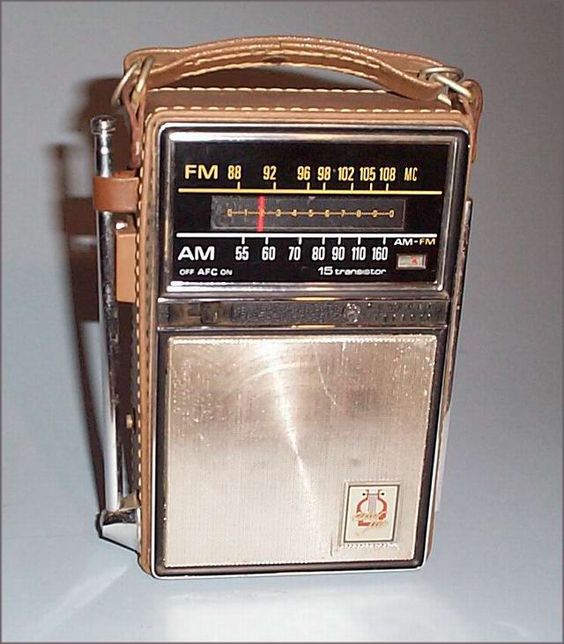
After one hundred years, radio is still a vital part of the media and society. It isn’t the transistors in my novel, but an app on a smart phone keeping people informed during forest fires, hurricanes and the pandemic. However, as we see in the novel, it changed from when Mr. Ketner started though Mykel’s first job and on to his work with an N-P-R affiliate. Maybe the students in his college class will keep radio/audio going another hundred years.
 WIP: DYNAMIC DUO OF THE OZARKS